






Breaker Tripping Diagnosis – End Nuisance Outages


Identifying the root cause requires a precise breaker tripping diagnosis to end these nuisance interruptions. Whether you’re in the heart of Florence or the neighboring Quinby, the inconvenience of a tripped breaker is a common household issue. Understanding why this happens is the first step toward a solution.
A breaker tripping diagnosis involves tracing overloads and shorts, which are often the culprits behind these electrical interruptions. It’s not just about finding what’s wrong, it’s about ensuring your home’s safety and comfort. Residents in Florence and Quinby know too well the importance of keeping their electrical systems in check. This process helps in identifying the electrical demands that exceed what your system can safely handle.
Interpreting trip patterns plays a crucial role in breaker tripping diagnosis. These patterns can reveal whether you’re dealing with a one-time overload or a persistent short circuit. Each scenario requires a different approach to rectify and prevent future occurrences. Balancing circuits is another vital step, ensuring that the electrical load is evenly distributed and within your system’s capacity.
In conclusion, a thorough breaker tripping diagnosis not only restores your home’s functionality but also safeguards against potential hazards. For homeowners in Florence and Quinby, understanding and addressing the reasons behind tripped breakers is essential. It’s about more than just flipping a switch, it’s about ensuring your home runs smoothly and safely.
Understanding Breaker Tripping: Basics and Causes
When it comes to understanding why breakers trip, it’s essential to start with the basics. A breaker tripping in your Florence home can signal that your electrical system is working correctly by preventing potential overloads or shorts. This safety mechanism protects your home from electrical fires and damage to appliances. Knowing this helps you appreciate the importance of a timely breaker tripping diagnosis.
Overloads are a common cause of breaker trips. They occur when too many appliances or devices draw power from the same circuit. Imagine running your microwave, dishwasher, and toaster oven simultaneously in Quinby. If they’re all connected to the same circuit, the excessive demand can trip the breaker, cutting power to prevent damage.
Short circuits are another key factor to consider. They happen when a hot wire touches a neutral wire, creating a sudden surge of electricity that can trip breakers. This situation is more serious than an overload because it can cause sparks, smoke, or even fire. A thorough breaker tripping diagnosis identifies and addresses such hazards, ensuring your home’s safety.
Finally, balancing your circuits effectively can prevent future trips. This involves distributing your electrical load evenly across different circuits. It’s not just about unplugging a few devices but understanding the capacity of each circuit in your home. Professionals in Florence and Quinby can assess your system, recommend changes, and ensure your electrical setup meets your needs without risking further trips.
Breaker Tripping Diagnosis: Identifying Overloads
Identifying overloads is a critical step in the breaker tripping diagnosis process. When too many devices operate on the same circuit, it can overwhelm your system. This is a common scenario in many Florence homes, where modern living demands more from our electrical setups. Recognizing the signs of an overload can help you take action before it leads to a trip.
To prevent overloads, consider the capacity of each circuit in your home. It’s not just about reducing the number of devices but also about understanding which appliances consume more power. For instance, high-energy appliances in Quinby homes should have dedicated circuits to avoid overloading. This strategic approach can significantly reduce the risk of tripping breakers.
Another effective strategy is to regularly review and adjust your home’s electrical usage. As we add new devices to our homes, the demand on our electrical systems increases. By keeping an eye on what’s plugged in and where, residents can avoid unintentional overloads. This proactive measure ensures your system can handle the electrical demand.
Lastly, consulting with a professional for a breaker tripping diagnosis can provide peace of mind. They can offer tailored advice for your home’s specific needs, ensuring your electrical system is both safe and efficient. Whether you’re in Florence or Quinby, expert guidance can help you navigate the complexities of your home’s electrical demands, preventing nuisance outages effectively.
How to Trace Electrical Shorts in Your Home
Tracing electrical shorts in your home is a crucial step in a comprehensive breaker tripping diagnosis. Shorts happen when an unintended path forms, allowing electricity to flow where it shouldn’t, often leading to tripped breakers. In Florence, identifying these shorts early can prevent potential damage to your electrical system and appliances. A professional can use specialized tools to locate the short, ensuring your home remains safe and functional.
Understanding the common signs of electrical shorts can help you act quickly. Flickering lights, burning smells, or sparking outlets are clear indicators that something is wrong in your Quinby home. When you notice these signs, it’s important to disconnect appliances from the affected circuit and call for professional help. This proactive approach can minimize damage and restore safety to your home.
Balancing the electrical load in your home is also essential in preventing shorts and overloads. Ensuring that no single circuit is under too much strain can help avoid these issues. In many homes in Florence, this might mean rearranging how appliances are plugged in or installing additional circuits. A qualified electrician can assess your needs and make the necessary adjustments to keep your electrical system running smoothly.
Lastly, regular maintenance and inspections are key to avoiding electrical shorts and breaker trips. Having a professional conduct a thorough breaker tripping diagnosis periodically can catch potential problems before they escalate. This is especially important in older Quinby homes, where wiring might not meet current standards. Regular checks help ensure your electrical system is up to date and capable of handling your household’s electrical demand safely.
Interpreting Circuit Breaker Trip Patterns
Understanding the patterns behind circuit breaker trips can significantly enhance the accuracy of a breaker tripping diagnosis. When a breaker trips repeatedly, it’s a signal that your Florence home’s electrical system is communicating a specific issue. By closely monitoring which circuits trip and under what conditions, homeowners can pinpoint whether the problem stems from an overload, a short circuit, or a potential fault in the wiring. This insight is crucial for addressing the root cause rather than just the symptoms.
For instance, if a breaker trips whenever a particular appliance is used, it may indicate that the appliance is faulty or drawing more power than the circuit can handle. This scenario is common in homes where high-power devices are not evenly distributed across circuits. Residents in Quinby can mitigate this issue by spreading out high-demand appliances to different circuits, reducing the likelihood of tripping the breaker. Such a strategy is a practical step in managing your home’s electrical demand more effectively.
On the other hand, if a breaker trips randomly, it could suggest a more complex issue, such as a short circuit or a wiring problem. In these cases, the expertise of a professional is invaluable. They can perform a detailed breaker tripping diagnosis, using advanced tools to trace the source of the issue. This approach not only resolves the immediate problem but also enhances the overall safety and efficiency of your electrical system.
Lastly, keeping a log of trip incidents, including the time, duration, and the appliances in use, can provide helpful insights for both homeowners and professionals. This record can make the breaker tripping diagnosis process more efficient, leading to quicker resolutions. For individuals in Florence, such proactive measures can significantly reduce the inconvenience of unexpected power outages, ensuring a more reliable electrical system in their homes.

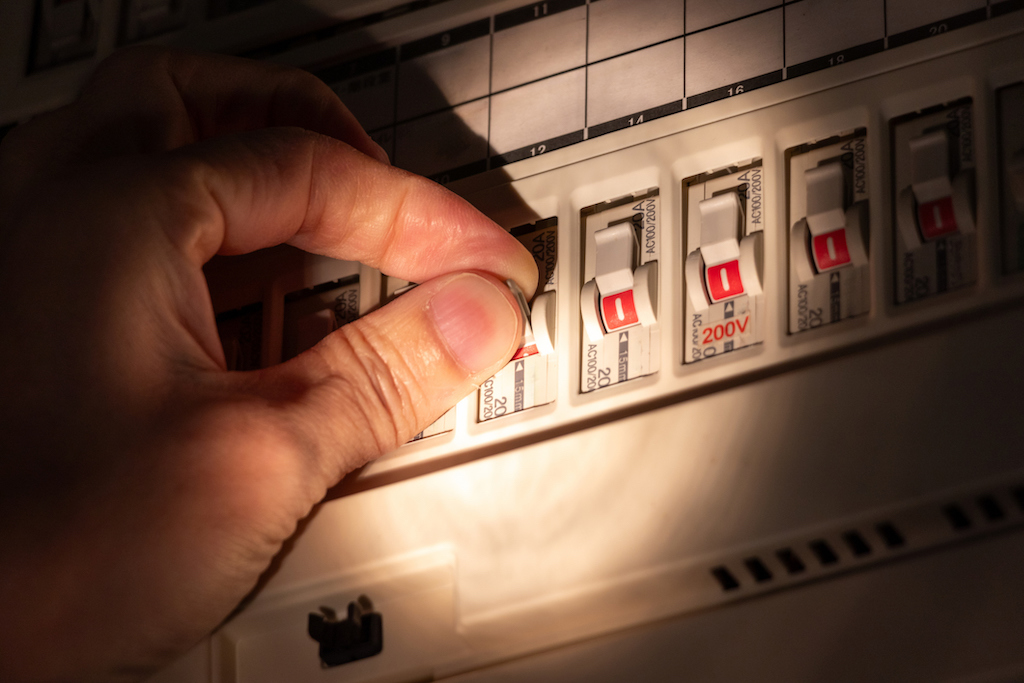
Photo from iStock – Credit: wattanaphob
The Role of Circuit Breakers in Home Safety
Circuit breakers play a crucial role in maintaining the safety of your home’s electrical system. They act as guardians, immediately shutting off power when they detect a fault in the circuit, such as an overload or short circuit. This protective measure prevents potential electrical fires and damage to appliances, making a thorough breaker tripping diagnosis essential for any Florence home. By understanding how these devices work, homeowners can appreciate the importance of addressing tripped breakers promptly.
Regularly conducting a breaker tripping diagnosis helps identify issues that could compromise your home’s safety. For instance, if a breaker frequently trips, it could indicate an underlying problem that needs immediate attention. Professionals in Quinby are equipped with the knowledge and tools to trace these issues accurately. They ensure that your electrical system functions safely and efficiently, safeguarding your home and family.
Balancing the load on your circuits is another preventive measure to enhance safety. When circuits are overloaded, breakers trip to prevent overheating and potential hazards. Homeowners should ensure that high-power appliances are evenly distributed across multiple circuits. This strategy not only prevents tripping but also prolongs the life of your electrical system, making your home in Florence safer.
Lastly, keeping up with regular maintenance and inspections is vital. A professional electrician can provide a comprehensive breaker tripping diagnosis, identifying and rectifying any potential risks. These periodic checks are especially important in older homes in Quinby, where the electrical system might not meet current standards. Through diligent care and professional oversight, you can ensure your home remains a safe environment for your family.
Steps to Safely Balance Your Home’s Electrical Circuits
Safely balancing your home’s electrical circuits is a critical part of any breaker tripping diagnosis. When circuits are not balanced, certain lines can become overloaded, leading to frequent trips. By distributing electrical devices and appliances across multiple circuits, homeowners in Florence can minimize the risk of overload. This approach ensures that no single circuit bears too much burden, enhancing the overall efficiency of your electrical system.
Another step in preventing breaker trips involves understanding the capacity of each circuit in your home. It’s essential to know how much power each line can handle before adding new appliances or devices. Residents in Quinby can benefit from consulting with a professional to get a clear picture of their home’s electrical capacity. This knowledge allows for more informed decisions when setting up or rearranging home electronics.
Regularly reviewing your electrical setup can also contribute to a stable and safe electrical system. As we introduce new gadgets and appliances into our homes, the power demand changes. Taking the time to assess which circuits are powering what devices can prevent unexpected overloads. This proactive measure not only keeps your electricity running smoothly but also plays a significant role in the breaker tripping diagnosis process.
Lastly, it’s advisable to seek professional help for a detailed evaluation of your home’s electrical system. A certified electrician can offer valuable insights and solutions to balance your circuits effectively. They have the tools and expertise needed to make adjustments that ensure safety and reliability. For homeowners in Florence and Quinby, enlisting the help of an expert is a wise step towards ending nuisance outages and maintaining a safe living environment.
Preventive Measures to Avoid Nuisance Tripping
Adopting preventive measures is essential for a successful breaker tripping diagnosis, ensuring that nuisance tripping becomes a thing of the past for homeowners in Florence. One effective strategy is to invest in high-quality surge protectors for appliances that are sensitive or draw a lot of power. These devices can shield your electrical system from sudden spikes in voltage that might otherwise cause a breaker to trip. By doing so, you not only protect your appliances but also minimize the risk of unexpected power disruptions.
Another key step in avoiding nuisance tripping involves carefully planning where to plug in heavy-duty appliances. It’s crucial to ensure that devices with high power demands are not all connected to a single circuit. This approach helps distribute the electrical load more evenly, preventing any one circuit from becoming overloaded. Residents in Quinby can benefit from this practice, as it significantly reduces the likelihood of breaker tripping due to overload.
Regularly inspecting and testing your circuit breakers also plays a vital role in preemptive breaker tripping diagnosis. Breakers that are old or faulty are more prone to tripping, even under normal electrical loads. Homeowners should consider having a professional electrician review and, if necessary, replace any breakers that show signs of wear or malfunction. This not only ensures the safety of your electrical system but also enhances its reliability.
Lastly, understanding the signs of an impending electrical issue can prevent nuisance tripping. Paying attention to warning signs such as flickering lights, buzzing sounds from the breaker box, or outlets that feel warm to the touch can help you act before a trip occurs. By staying vigilant and addressing these signs early, you can safeguard your home in Florence against unnecessary interruptions, ensuring a stable and secure electrical system.
When to Call a Professional for Breaker Issues
Understanding when to seek professional help is a crucial aspect of breaker tripping diagnosis. If you’ve implemented the advised preventive measures and still face frequent tripping, it’s time to call an expert. Professionals possess the tools and expertise necessary to pinpoint the exact cause of the problem. For residents in Florence, enlisting a qualified electrician can ensure a thorough examination and resolution of persistent electrical issues.
In some cases, the complexity of electrical systems requires an advanced level of troubleshooting beyond the average homeowner’s skill set. When breaker tripping becomes recurrent without a clear cause, it’s indicative of a deeper issue that might not be visible or accessible to laypersons. Professionals in Quinby can safely navigate these complexities, offering solutions that restore safety and functionality to your home’s electrical system.
Another sign that it’s time to call in a professional is when you notice any signs of damage or wear on your electrical panel. Discoloration, a burning smell, or unusual sounds from the breaker box are all red flags. These symptoms suggest that your system could be at risk of serious failure. Prompt action by a skilled technician can prevent a minor issue from becoming a major hazard.
Lastly, if your home is older and hasn’t had an electrical system upgrade in recent years, consulting with a professional is wise. Aging systems may not be equipped to handle the electrical demands of modern appliances and devices. A professional assessment can identify if your system in Florence needs an upgrade or a complete overhaul to ensure it meets current safety standards and can handle your electrical needs.
Frequently Asked Questions
What causes frequent breaker tripping?
Frequent breaker tripping often stems from circuit overloads. This happens when too many appliances draw power simultaneously. Short circuits, another culprit, occur when live wires touch neutrally. Lastly, ground faults, especially in wet areas, can also lead to tripping, requiring prompt breaker tripping diagnosis.
How does breaker tripping diagnosis work?
Breaker tripping diagnosis begins with identifying the source of the problem. Technicians first check for circuit overloads by examining appliance usage. They then look for signs of short circuits or ground faults. Finally, they may balance the circuit to prevent future outages, ensuring a safe and reliable electrical system.
Can a faulty appliance cause tripping?
Yes, a faulty appliance can indeed cause your breaker to trip. When an appliance malfunctions, it may draw more power than usual, leading to an overload. This sudden surge can trigger the breaker as a safety measure. Identifying and repairing or replacing the faulty appliance is crucial in resolving this issue and ensuring your electrical system’s safety.
What are signs of a bad circuit breaker?
A bad circuit breaker often shows clear signs before failing. You might notice frequent tripping without an obvious overload, indicating it’s struggling to manage current flow. Another sign is a breaker that won’t stay reset, pointing to internal damage. Additionally, if you detect a burning smell or see physical damage, it’s time for a professional breaker tripping diagnosis to ensure safety and prevent further electrical issues.
Are there DIY steps for breaker tripping diagnosis?
While some breaker tripping diagnosis can be done at home, it’s essential to proceed with caution. You can start by unplugging all devices and resetting the breaker to see if it trips again. If it doesn’t, plug in appliances one by one to identify the culprit. However, for anything beyond this basic check, it’s wise to call a professional from Mister Sparky to ensure safety and accuracy in diagnosing and fixing the issue.